

A new feature at Focus/26 on Design, The Learning Lounge saw design journalist Fiona McCarthy talk to experts from the Design Emporium Collective alongside interior designers, to tease out the nuts and bolts of how to design a room.
From kitchens to fabrics to outdoor furniture, this was a space where no amount of detail was off-limits as a topic of conversation, and an eager audience was keen to ask questions to broaden their skill-set.
Here are nine nuggets of design knowledge – one from each Learning Lounge session across the week – to keep in your back pocket for your next project.

“The installation side of things is huge. It’s about whether the installers can even get on to a site. Then – do they need scaffolding? Is there a clean space, devoid of traffic? At what point [in the wider schedule] is it going to happen? When does the furniture arrive?”
– Lizzie Deshayes, Fromental

“If you’ve bought an antique chair, then complement it with other furniture that’s about the same height, so no one feels like they’re perching above everyone else. If they are very different styles, I like to upholster them so that they look ‘collected’ – not matching, yet without looking like a junk shop. You’re aiming for something intentional”
– Caitlin Miller, Caitlin Miller Interiors
Image: Boura & White

“You can play all sorts of tricks with pattern [on a wooden floor]. Edge-to-edge herringbone or chevrons look great in contemporary properties – but if you want it to look more traditional, put a border around it”
– Hugh Cameron-Rose, Element7

“You don’t need to oil oak furniture until it’s three years old. Before that, it’s not porous enough, which means the oil won’t penetrate”
– Caroline Burvill, Gaze Burvill

“[When choosing bedlinen], thread count is just a guide – a technical specification. The length of the thread is actually what’s important – a long fibre will last a very long time, and get better with age. That’s where heritage and know-how come in”
– Richard Boyle, Yves Delorme

“When planning your patterns, you really need to look at where the repeat motif appears, so you can understand how it will work. Avoid mistakes [regarding repeats] by asking for a large returnable sample so you can see the scale and the true length”
– Kate Aslangul, Oakley Moore
Image: Vanrenen Hanbury

“When buying lightbulbs, always look at the CRI – Colour Rendering Index. It actually has nothing to do with colour, but the clarity of light. Most lightbulbs have a CRI of 80, and natural daylight is 100, so look for bulbs with a CRI of 95-97 – the closest you can get to daylight”
– Lee Lovett, The Soho Lighting Co.

“When we do our initial drawing, I’ll ask people to take it home, and scribble on it with what will go in each cupboard. If there’s nothing left over, then we know we’ve ticked all the boxes”
– Nicolle Whyte, Olive & Barr

“A Martindale test for rub count is all about abrasion – a disc of sandpaper damages the fabric until the thread breaks. But that only tells half the story, because fabrics will change colour with abrasion, or pill, without a thread ever breaking, so look for fabrics with a pilling test result”
– John-Andrew Ovenstone, Warwick Fabrics

Events, Latest Products
A Force for Good
Paolo Moschino Ltd's collaboration with the San Patrignano community, on show at Focus/26 on Design, is a force for good.

Projects
Sun-Kissed
Studio Wyze's scheme for Fenix captures the warmth of Greek island life in Mayfair, with help from some showroom products.
Personal Shopping Picks, Latest Products
Best in Show
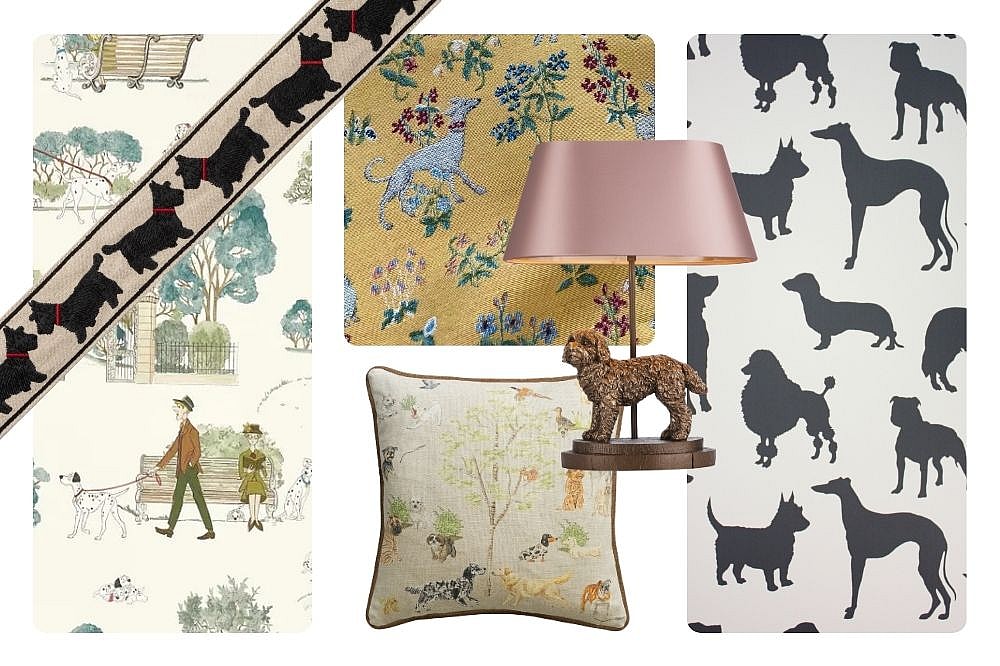
Celebrate International Dog Day with some canine companions from the showrooms, from elegant dalmations to puffed-up poodles.
Explore all Design News


